
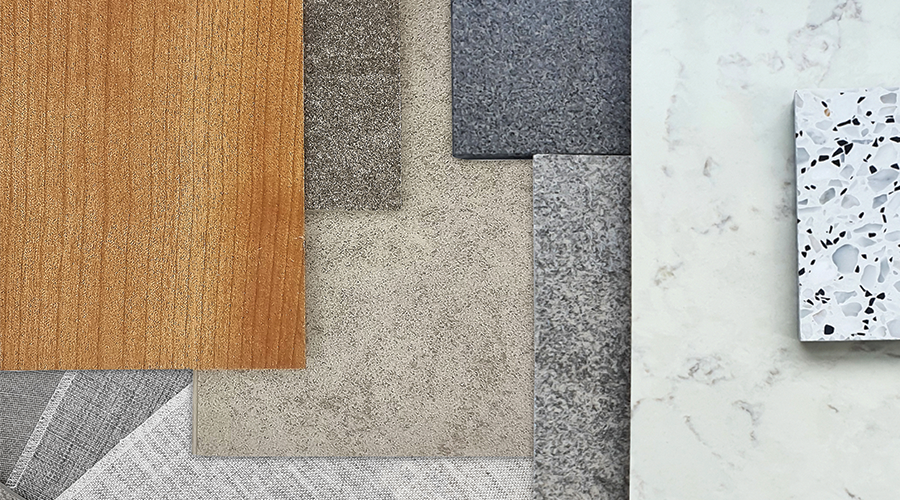
As independent pharmacies like yours continue to reinvent themselves as neighborhood health destinations, the surface beneath your customers’ feet will be doing more than just holding up shelves. This year, flooring in pharmacies like yours evolved from a purely aesthetic or maintenance choice into a strategic element that supports infection control, patient experience, workflow efficiency, sustainability goals, and brand identity.
Why does flooring matter so much? In small retail spaces, flooring is often an afterthought. But for independent pharmacies it plays numerous measurable roles such as:
- Patient safety and infection prevention: antimicrobial surfaces, seamless transitions, and slip-resistant materials reduce risks for staff and patients.
- Operational efficiency: zoned flooring helps guide traffic, reduces noise, and withstands heavy foot traffic and equipment like carts or automated dispensing units.
- Brand and patient experience: choices on flooring influence perceptions of cleanliness, warmth, and professionalism—important when pharmacies expand into clinical services.
- Sustainability and long-term cost: durable, low-maintenance floors reduce lifecycle costs and support
eco-conscious branding.
Let’s face it: Pharmacy owners like you who treat flooring as part of clinical and business strategy will enjoy better operational performance and trust of your patients.
Here are some top options shaping pharmacy trends today:
Luxury Vinyl Tile/Luxury Vinyl Plank (LVT/LVP)
- Why it’s good: Durable, easy to clean, wide aesthetic range (wood, stone looks) that create a warm, retail-friendly environment while withstanding heavy foot traffic.
- Practical benefits: Many products offer wear layers, slip resistance, and chemical resistance to common disinfectants. Cushion-backed options improve staff comfort behind counters.
Seamless Resinous Flooring
(Epoxy, Polyurethane, MMA)
- Why it’s good: Truly seamless, impermeable surfaces ideal for clinical rooms, consultation suites, and back-of-house areas where hygiene and rapid disinfection are priorities.
- Practical benefits: No grout lines to trap dirt, excellent chemical and stain resistance, long service life when professionally installed.
Rubber Flooring
- Why it’s good: Excellent for staff areas and dispensing counters because it’s slip-resistant, shock-absorbing, and reduces standing fatigue.
- Practical benefits: Durable, sound-dampening, and available in modular tiles for easy replacement. It’s also good for winter entry zones to reduce slips.
Polished Concrete
- Why it’s good: Highly durable, low-maintenance, and increasingly used in modern retail-clinical hybrids for a clean, minimalist look.
- Practical benefits: Good for high-traffic retail aisles and entryways. It can be sealed for chemical resistance and ease of cleaning.
Porcelain or Glazed Ceramic Tile
- Why it’s good: Very hard-wearing and easy to sanitize; suitable for wet-prone areas and high-traffic entryways.
- Practical benefits: Long lifespan and strong chemical resistance; choose large-format tiles or welded joints to minimize grout exposure.
Carpet or Carpet Tiles (limited use)
- Why it’s good: Use sparingly in waiting or consultation lounge areas to improve acoustics and comfort.
- Practical benefits: Choose low-pile, modular carpet tiles for easier spot replacement and choose products with antimicrobial treatments if used near patient areas.
Anti-Fatigue and Zone-Specific Mats
- Why it’s good: Not a primary floor, but critical at dispensing counters and workstations to reduce staff fatigue and slip risk.
- Practical benefits: Easy to deploy and replace. The use of rubber or gel-backed mats improve ergonomics immediately.
Sensor-Ready or Smart-Integrated Flooring
- Why it’s good: Pressure-sensitive mats or embedded sensors can support foot-traffic analytics, fall detection, and targeted cleaning schedules—useful in busier stores or those expanding clinical services.
- Practical benefits: Helps optimize staffing, cleaning, and space planning; usually layered over or integrated with primary flooring choices.
So, How Do You Choose the Right Floor for Your Pharmacy?
- Match zones to function: seamless/resinous or sheet vinyl for clinical and cleaning-heavy spaces; LVT/LVP or porcelain for retail aisles; rubber/anti-fatigue for staff workstations.
- Confirm chemical compatibility: verify disinfectant and cleaner compatibility with manufacturer specs.
- Prioritize slip resistance at entrances and near sinks or testing stations.
- Think modular for future flexibility: tiles (vinyl, rubber, carpet) simplify phased upgrades.
- Factor staff comfort and acoustics into choices for consultation and dispensing areas.
Select materials that meet your mix of clinical use, aesthetic goals, and budget. Professional installation and correct seams and sealants are critical to realize the performance benefits of any of these options.
Investing in pharmacy flooring pays off in more ways than one. You’ll save money directly through lower maintenance and fewer replacements. But the real value goes deeper—better flooring can improve how patients feel in your space, reduce staff burnout from standing all day, and support cleaner, safer environments for clinical services.
As you think about return on investment (ROI), be sure to factor in:
- Installation costs and any downtime during upgrades
- Long-term maintenance and durability
- The potential for increased revenue from faster patient flow and expanded services
Smart flooring choices today can lead to smoother operations and stronger financial performance tomorrow. In fact, flooring in successful independent pharmacies will be defined by three principles: cleanliness, comfort, and adaptability. As pharmacies continue to expand clinical services, flooring will play a practical and symbolic role—supporting safer care, improving staff wellbeing, and reinforcing the pharmacy’s identity as a trusted local health resource.
More articles from the December 2025 issue:
- A Safe Space
- Beyond the Counter
- The Rise of Menopause Clinics
- Where Your Cash Goes
- Your Pharmacy Goals for 2026
- PBA Health + Speed Script = Partnership
- From Scripts to Support
- From Retail to Clinical
A Member-Owned Company Serving Independent Pharmacies
PBA Health is dedicated to helping independent pharmacies reach their full potential on the buy-side of their business. Founded and run by pharmacists, PBA Health serves independent pharmacies with group purchasing services, wholesaler contract negotiations, proprietary purchasing tools, and more.
An HDA member, PBA Health operates its own NABP-accredited warehouse with more than 6,000 SKUs, including brands, generics, narcotics CII-CV, cold-storage products, and over-the-counter (OTC) products — offering the lowest prices in the secondary market.