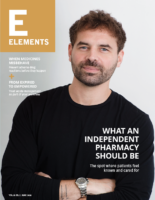

Amid rising mental health concerns, chronic conditions, and the challenge for U.S. adolescents aged 12 to 17 to access healthcare, one resource remains underutilized: independent pharmacists like you. Though you may be overlooked in the larger healthcare discussions, you play a vital role in delivering personalized, accessible, and community-centered care to teens facing tough health challenges.
Depression is one of the most common mental disorders in the United States. For some, major depression can result in severe impairments that can interfere with or limit one’s ability to function day to day. As their pharmacist, you can help identify, manage, and support adolescents who are experiencing depression. For instance, you can conduct informal screenings and early detection. During routine visits, engage teens by asking open-ended questions about their sleep, mood, and appetite. Having early conversations like this can uncover warning signs and prompt timely referrals.
You can also provide targeted medication counseling for antidepressants. Sit down with the adolescent and their parent(s) and explain how selective serotonin reuptake inhibitors work. Set realistic expectations for symptom relief and clarify the FDA’s boxed warning on new-onset suicidal thoughts. This will help them weigh the risks and benefits.
What exactly drives youth to self-harm?
- Unable to manage their emotions: When they have strong and uncomfortable feelings, adolescents and younger kids would rather experience physical pain than emotional distress. Why? Because self-harm gives them an immediate and effective means of emotion regulation. This is the most common pathway to self-harm.
- Don’t know how to communicate their pain: Some people use self-harm to outwardly show their emotional pain because they don’t know how to put it into words.
- Punish themselves: Sometimes young clients punish themselves. They internalize their negative thoughts toward themselves. They often think that they’re the reason for their unhappiness. So, when they self-harm, it’s their way to reinforce their feelings.
- Seek control: Young clients turn to self-injury to feel control in their life.
Examples of Self-Harm Include:
- Cutting their skin with a sharp object
- Piercing the skin with sharp objects
- Hitting or punching oneself or random things such as a wall
- Burning oneself with cigarettes, matches, or candles
- Breaking bones or bruising oneself
- Inserting objects under the skin
Medication Management and Counseling
Many teens have mental health disorders that rely on pharmacotherapy as part of their treatment plan. You ensure safe and effective use of psychiatric medications by:
- Explaining how medications work and setting realistic expectations for the onset of benefits.
- Reviewing potential side effects and drug interactions, particularly when teens take multiple prescriptions.
- Encouraging adherence through reminder tools, personalized labels, or blister packaging to simplify complex regimens.
The Warning Signs and Symptoms of Self-Harm
- Scars, often in patterns
- Fresh cuts, scratches, bruises, bite marks, or other (You might notice them wearing long sleeves and pants in warm weather to hide these injuries.)
- Excessive rubbing of an area to create a burn
- Talking about feeling worthless, hopeless, or helpless
- Difficulties in relationships with others
- Keeping sharp objects on hand
- Frequent reports of accidental injury
- Emotional and behavioral instability and unpredictability
Education and Outreach
Your independent pharmacy can host youth-focused workshops and community events to:
- Teach stress-management techniques, such as mindfulness exercises or journaling.
- Offer brief, drop-in “mental health check-ins” where teens can speak privately with you.
- Help parents recognize signs of self-harm or suicidal ideation by providing family education sessions.
Normalizing conversations around mental health in a nonclinical setting, pharmacists like you play a vital role in reducing stigma and empowering adolescents to seek help early.
Collaboration with Schools and Clinics
Consider building partnerships with local schools, pediatricians, and mental health clinics. This will amplify your impact.
- Share anonymized inventory data with school nurses to be sure there will be availability of emergency medications.
- Coordinate with counselors to host on-site screening days at schools or community centers.
- Refer at-risk teens directly to behavioral health specialists and following up to confirm they connected with care.
The more the demand for youth mental health services grows, the more you’ll stand ready to bridge critical gaps in screening, medication management, and community education. You have the skills to help adolescents navigate mental health challenges with greater confidence and support.
Practical interventions your pharmacy can offer:
National guidance now expects all health and social care staff to help people who self-harm. That means your pharmacy team is a part of that safety net. You report regular interactions with distressed or suicidal patients, highlighting the practical need for preparedness. Practical interventions you can offer include:
- Safe medication management: review prescriptions for overdose risk, simplify regimens, limit quantities when clinically appropriate, and collaborate with prescribers about safer alternatives.
- Harm-reduction supplies and wound care: discreetly provide appropriate wound-care products and advice to reduce infection and scarring.
- Brief interventions and signposting: use short, empathic conversations to assess immediate risk and refer to urgent mental health services when needed.
By embracing your role as an accessible, trusted health professional, you can become a powerful ally in the fight for better youth mental health—one conversation, one prescription, and one connection at a time.
How to practically manage a patient in crisis
Use active listening.
Give the patient your full attention. Allow them to express their thoughts and feelings without interruption or judgment. Then, repeat what you’ve heard to ensure understanding.
Validate what they told you.
Acknowledge that the patient’s feelings and experiences are valid.
Empathize with them.
Show your patient that you understand and you care about what they’re going through. For instance, “I’m here to help you.”
Use a calming voice.
Avoid raising your voice. Instead, use a slow and steady pace of speaking. Make them feel comfortable.
More articles from the December 2025 issue:
- Beyond the Counter
- The Rise of Menopause Clinics
- Where Your Cash Goes
- Your Pharmacy Goals for 2026
- PBA Health + Speed Script = Partnership
- From Scripts to Support
- From Retail to Clinical
- A Safe Space
A Member-Owned Company Serving Independent Pharmacies
PBA Health is dedicated to helping independent pharmacies reach their full potential on the buy-side of their business. Founded and run by pharmacists, PBA Health serves independent pharmacies with group purchasing services, wholesaler contract negotiations, proprietary purchasing tools, and more.
An HDA member, PBA Health operates its own NABP-accredited warehouse with more than 6,000 SKUs, including brands, generics, narcotics CII-CV, cold-storage products, and over-the-counter (OTC) products — offering the lowest prices in the secondary market.