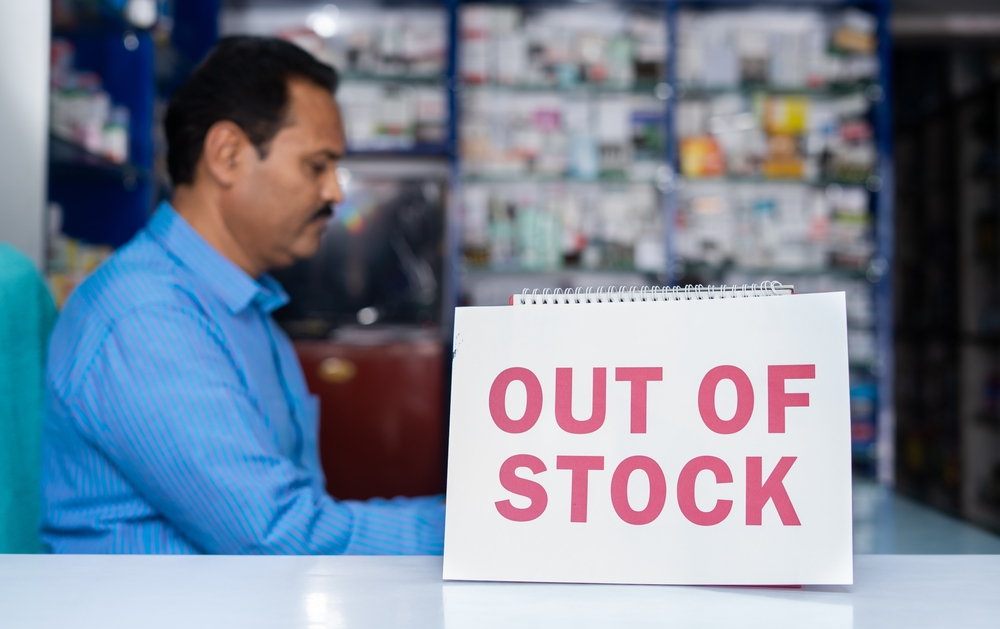
Drug shortages are nothing new. However, it’s still frustrating that they’re still a thing. Plus, they’re often worsened when pharmacies rely on a single wholesaler or a purchasing pattern. No matter how much effort the industry puts out, the average drug shortages nowadays can last up to 4 years. What’s bearing the heaviest burden are the sterile injectables and low-cost generics.
High-performing independent pharmacies expand their supply chain by:
- Using multiple wholesalers
- Leveraging short-term contracts to pivot better pricing and more access
- Tapping into buying groups or GPOs for better pricing and broader access
- Monitoring wholesaler fill rates weekly to spot early warning signs
Implementing Predictive Inventory Management
Nowadays, shortages are lasting longer. In fact, 50% persist more than two years. That’s why forecasting is crucial. You can use historical dispensing data to predict seasonal or chronic demand; set dynamic par levels that adjust on shortage alerts; automate reorder points by using inventory software that can flag risk categories; and create a critical meds dashboard for items like injectables, antibiotics, and ADHD medication. By doing this, you’ll shift your pharmacy from reacting to shortages to anticipating them.
Strengthening Relationships
How are your relationships with manufacturers and distributors? Whatever you do, don’t underestimate their influence. If your relationship is strong, you can unlock early notifications about production delays or allocation changes. You can also have access to limited-supply batches during constrained periods, and better transparency on expected restock timelines.
Be Transparent
Communicate with your patients. Post weekly availability updates on your social channels or your website. Train your staff on empathetic messaging. (“We are unable to do that, but here is something we CAN do for you.”) Offer to contact prescribers directly for alternatives if something is out of stock. When backordered medications arrive, notify patients by using SMS alerts.
Invest in Technology and Improve Visibility
- Combine pricing and availability across multiple wholesalers.
- Flag shortages early based on national data feeds.
- Enhance purchasing to reduce cost and improve fill rates.
Remember that drug shortages are systemic, not just operational. Therefore, report shortages to ASHP or FDA to strengthen national data. Join state pharmacy associations and push for transparency in the supply chain, and support legislation that encourages domestic manufacturing of critical drugs.
A Member-Owned Company Serving Independent Pharmacies
PBA Health is dedicated to helping independent pharmacies reach their full potential on the buy-side of their business. Founded and run by pharmacists, PBA Health serves independent pharmacies with group purchasing services, wholesaler contract negotiations, proprietary purchasing tools, and more.
An HDA member, PBA Health operates its own NABP-accredited warehouse with more than 6,000 SKUs, including brands, generics, narcotics CII-CV, cold-storage products, and over-the-counter (OTC) products — offering the lowest prices in the secondary market.