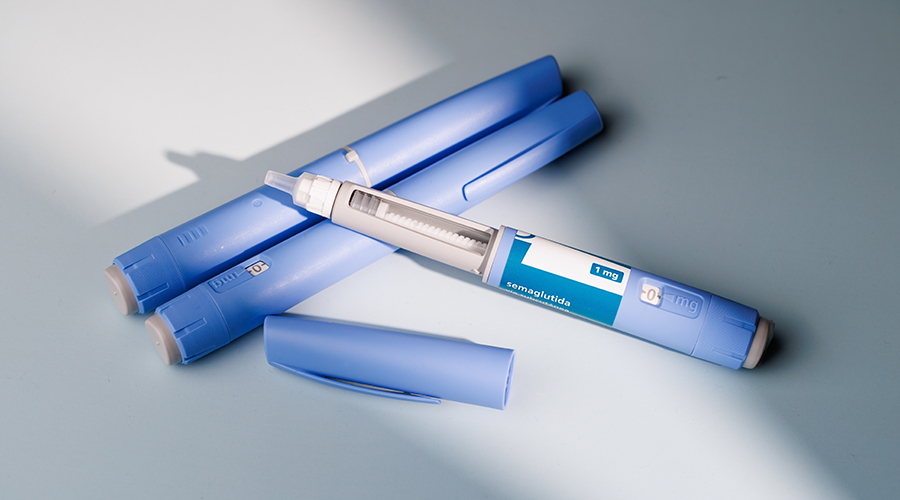
The GLP-1 reimbursement crisis has entered a turbulent new stage in 2026. Coverage is shrinking, demand is rising, and both patients and pharmacies are caught in the middle. Millions of Americans rely on GLP-1 medications for diabetes, obesity, and cardiometabolic conditions—yet access is becoming harder, not easier.
Over the past year, an estimated 24 million Americans lost coverage for GLP-1 medications. Roughly half lost access to Zepbound, and the other half lost Wegovy, marking one of the largest coverage rollbacks in recent pharmacy benefit history.
Some major insurers and PBMs have made sweeping changes:
- Blue Cross Blue Shield of Massachusetts cut weight-loss GLP-1s though diabetes-related use remains covered.
- Harvard Pilgrim Health Care ended coverage for Wegovy and Zepbound for weight-loss indications.
Employers are signaling more cuts ahead. More than three-quarters of large employers say controlling GLP-1 spending is a top priority for 2026, suggesting these changes aren’t temporary—they’re part of a long-term cost-containment strategy.
Why Costs are Driving the Crisis
GLP-1 medications are expensive, and unlike most specialty drugs, they’re used by huge patient populations. Even with recent price reductions, GLP-1s remain among the highest-spend drug classes in the U.S. with over $50 billion spent in 2025 alone.
Medicare Part D plans face similar pressures. Rising demand, new financial obligations under the Inflation Reduction Act, and the end of certain premium-stabilization programs have created a budget squeeze that limits how much coverage expansion is possible.
Medicare’s Temporary Fix: The GLP-1 Bridge
To address growing access gaps, Centers for Medicare & Medicaid Services (CMS) launched the Medicare GLP-1 Bridge in July 2026—a temporary program allowing eligible beneficiaries to access certain GLP-1 medications for $50 per month.
Key features include:
- Coverage runs July 1, 2026 through December 31, 2027.
- Patients must meet strict BMI and comorbidity criteria.
- Prior authorization is required.
- Up to 13 million beneficiaries could qualify, though far fewer meet full criteria.
The Bridge is a meaningful stopgap, but it’s not permanent. Without congressional action or CMS extension, millions could lose coverage again when the program ends.
The BALANCE Model: On Hold
The proposed BALANCE Model (Better Approaches to Lifestyle and Nutrition for Comprehensive Health), designed to expand Medicare and Medicaid coverage for obesity-related GLP-1 use, has been indefinitely delayed. For now, the Bridge program is the only federal mechanism addressing the reimbursement crisis—and it’s temporary.
What This Means for Pharmacies and Patients
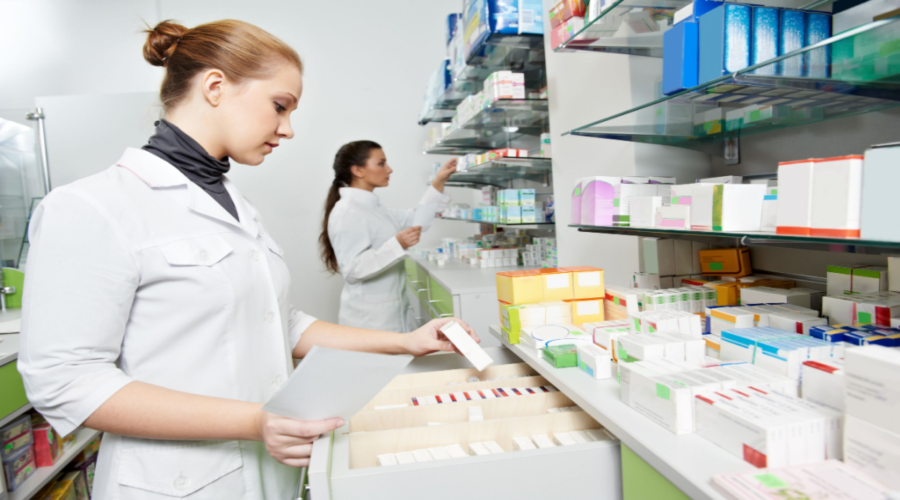
Independent pharmacies are feeling the strain:
- More patients cycling on and off therapy
- Increased prior authorizations and appeals
- Higher counseling needs as coverage changes
- Financial pressure from stocking costly medications with unpredictable reimbursement
The Bottom Line
The GLP-1 reimbursement crisis is no longer a slow-moving policy issue—it’s a nationwide disruption. Commercial insurers are pulling back. Medicare is experimenting with temporary fixes, and pharmacies are left to manage the fallout. Without durable federal policy or sustainable pricing models, the crisis will continue to intensify through 2027.
More articles from the September 2026 issue:
- Cody Drug
- Your New Front-End Minimalism
- Reinventing the Pharmacy Technician
- Creating a Comprehensive & Profitable Non-Flu Vaccine Program
- Quality Choice Private Label
- In-Pharmacy Testing
- Market Segmentation
- GLP-1 Reimbursement
A Member-Owned Company Serving Independent Pharmacies
PBA Health is dedicated to helping independent pharmacies reach their full potential on the buy-side of their business. Founded and run by pharmacists, PBA Health serves independent pharmacies with group purchasing services, wholesaler contract negotiations, proprietary purchasing tools, and more.
An HDA member, PBA Health operates its own NABP-accredited warehouse with more than 6,000 SKUs, including brands, generics, narcotics CII-CV, cold-storage products, and over-the-counter (OTC) products — offering the lowest prices in the secondary market.