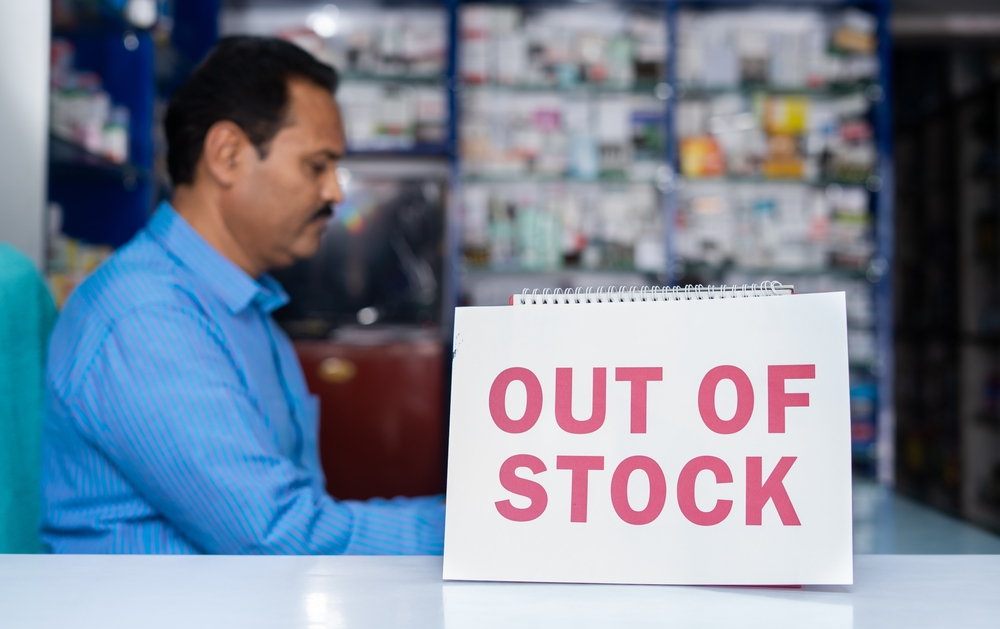
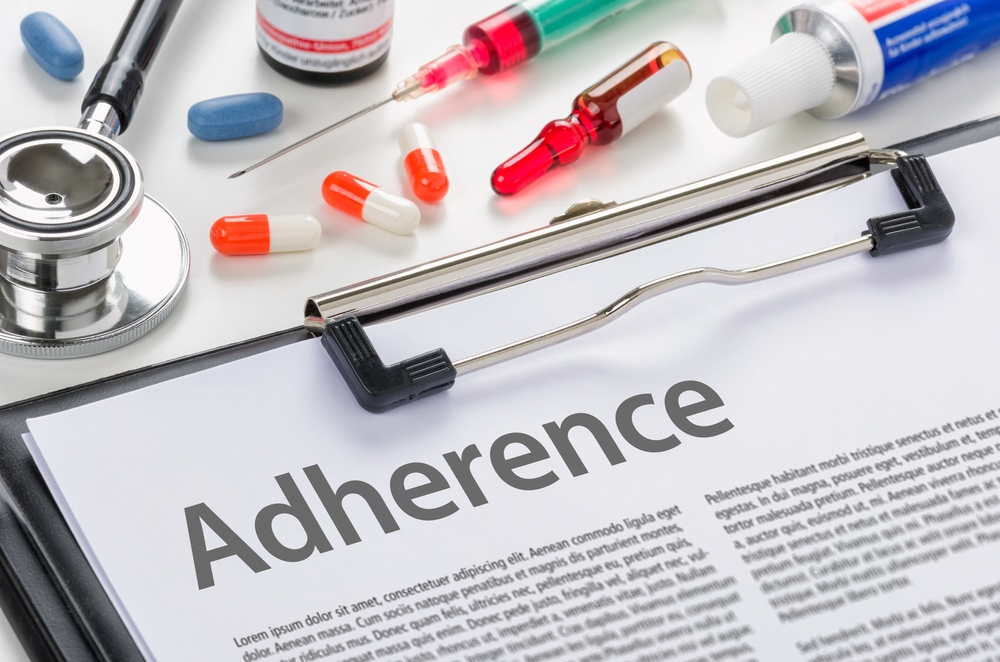
A big reason why therapies often fail for your patients is due to non-adherence. Some patients simply don’t want take their medication. For some, non-adherence can be intentional. Patients have a number of reasons why they don’t take their medicine. Here’s the scoop:
- They don’t accept the diagnosis.
- They don’t want the medicine because their doctor changed the dosage.
- Some patients merely forget to take their medication(s).
- Others may be intentionally not taking their medication(s) just to spite the doctor.
The World Health Organization (WHO) says there are five sets of factors that affect patient adherence:
- Socioeconomic factors such as poverty, low literacy, lack of family support, high medication costs, limited access to healthcare, or unstable living situations.
- Health care system and/or team factors such as poor provider-patient relationships, short consultation times, limited follow-up, or inaccessibility of care.
- Condition-related factors such as severity of symptoms, level of disability, rate of progression, or presence of comorbidities such as depression.
- Therapy-related factors complexity of the regimen, such as polypharmacy, duration of treatment, side effects, or previous treatment failures.
- Patient-related factors such as forgetfulness, lack of knowledge, low motivation, negative beliefs about treatment, or psychological issues.
Your job as a pharmacist is becoming more and more significant. With the frequency at which your patients shop your pharmacy, they know you offer better quality patient care. Adherence isn’t just about reminders or packaging. It’s about relationships, trust, and personalized support. Your patients understand family dynamics and what it’s like living with chronic conditions.
Here are a few options that can help your patients with adherence:
Remind them that automatic refills exist
Recommend automatic refills for chronic maintenance medications. This is the most effective way to guarantee proper medication compliance. Send out notifications from the pharmacy management software (PMS). That way, your patients know when their medications are ready to be picked up. With this, they’ll never miss another refill.
Know the best date to refill
Medication Synchronization (MedSync) uses an algorithm that helps determine the best date to refill all maintenance medications at the same time each month. Transportation to and from your pharmacy is also difficult and can be a challenge for some patients. This is where at-home delivery services make sense. It can help you build better patient adherence to medication.
As an independent pharmacist, you can educate your patients on how important medication adherence really is. For instance, people are much more likely to take medication when they understand what it will do for them and what can happen if they stop taking it. Technology today offers electronic medical records systems, pharmacy management software, and mobile applications working together. With all that we have today, there shouldn’t be a reason for any patient to be non-adherent to any medication.
A Member-Owned Company Serving Independent Pharmacies
PBA Health is dedicated to helping independent pharmacies reach their full potential on the buy-side of their business. Founded and run by pharmacists, PBA Health serves independent pharmacies with group purchasing services, wholesaler contract negotiations, proprietary purchasing tools, and more.
An HDA member, PBA Health operates its own NABP-accredited warehouse with more than 6,000 SKUs, including brands, generics, narcotics CII-CV, cold-storage products, and over-the-counter (OTC) products — offering the lowest prices in the secondary market.