
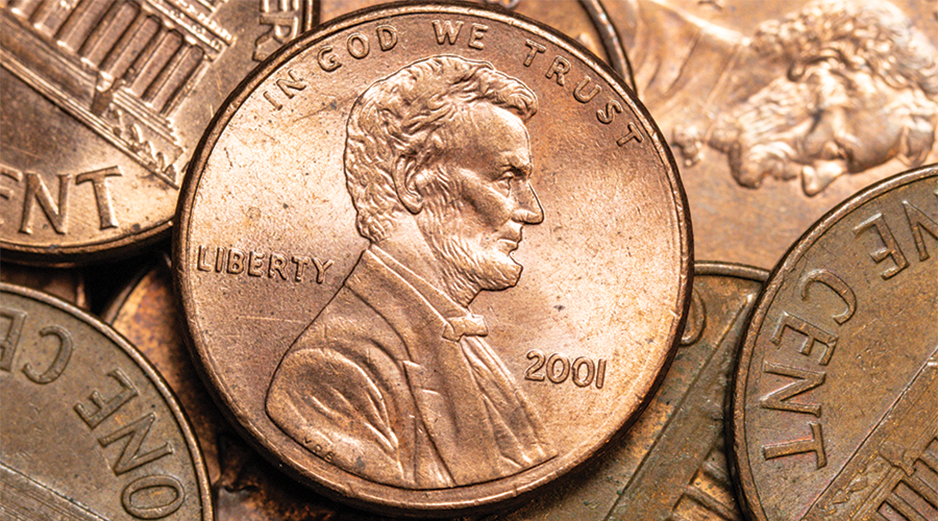
If you haven’t heard, the U.S. Mint officially stopped production of the one-cent coin in 2025. Most Americans shrugged and moved on. Over the past 10 years, the total production cost of the penny has risen from 1.3 cents to 3.69 cents per penny. That’s a loss of over 270% per coin. And while the federal government has stopped manufacturing new pennies, the Federal Reserve will continue to recirculate the approximately 114 billion pennies that are currently in existence for as long as possible. How long will the existing pennies out there remain in circulation? It honestly depends on consumer behavior.
As pennies become scarcer, you might notice some small changes in your everyday transactions. As an independent pharmacist, the end of the penny is less about nostalgia and more about logistics. While cash transactions still occur, it’s mostly among older adults, low-income patients, and customers paying for small front-end items.
Without pennies, pharmacies need to adopt rounding practices for cash payments. The U.S. Mint recommends rounding up to the nearest five cents. This is a system already used in Canada, Australia, and New Zealand. However, rounding applies only to the final cash total. It does not apply to individual item prices, and electronic payments remain exact.
Rounding is quite easy in theory; but it requires thoughtful implementation. Your pharmacy team will need to update point-of-sale systems while also training your staff. You’ll need to communicate clearly with your patients who might be confused or concerned about fairness. The key is transparency. Rounding needs to be displayed at the register, printed on receipts, and explained consistently.
According to the Federal Reserve, rounding is done to the nearest nickel. If the final digit of a purchase ends in 3, 4, 8, or 9 cents, your total will be rounded up. However, if it ends in 1, 2, 6, or 7 cents, it’ll be rounded down. Transactions ending in 0 or 5 cents aren’t rounded.
With fewer pennies available, banks and businesses will have fewer pennies on hand. This can affect your ability to receive or exchange them during cash transactions. However, if you are cashing checks at the bank, you might be talked into depositing your change instead of taking it in cash. This helps preserve the coin supply.
What You Should Prepare For In Your Independent Pharmacy
Update POS Settings
Ensure your system can automatically round cash totals to the nearest five cents.
Train Staff
Give technicians and cashiers a simple script for explaining rounding to patients.
Communicate Clearly
Use signage, receipts, and consistent language to avoid confusion.
Review Cash-Handling Procedures
With fewer coins to manage, you may be able to streamline deposits and reduce armored-care fees.
Consider a Goodwill Policy
Some pharmacies choose to always round down on cash transactions—a small cost that builds trust.
More articles from the June 2026 issue:
- Prevention Starts Here
- One Last Puff
- From Expired to Empowered
- The Heart of Local Healthcare
- Doing Well by Doing Good
- Your Mid-Year Front-End Profit Surge
- When Medicines Misbehave
- Saying Goodbye to the Penny
A Member-Owned Company Serving Independent Pharmacies
PBA Health is dedicated to helping independent pharmacies reach their full potential on the buy-side of their business. Founded and run by pharmacists, PBA Health serves independent pharmacies with group purchasing services, wholesaler contract negotiations, proprietary purchasing tools, and more.
An HDA member, PBA Health operates its own NABP-accredited warehouse with more than 6,000 SKUs, including brands, generics, narcotics CII-CV, cold-storage products, and over-the-counter (OTC) products — offering the lowest prices in the secondary market.