When shoppers step into your independent pharmacy today, they may notice something missing. The crowded shelves packed with slow-moving merchandise, the endless assortment of miscellaneous gift items, and the visual noise that once defined front-end retail are quietly disappearing. In their place is a new strategy called front-end minimalism.
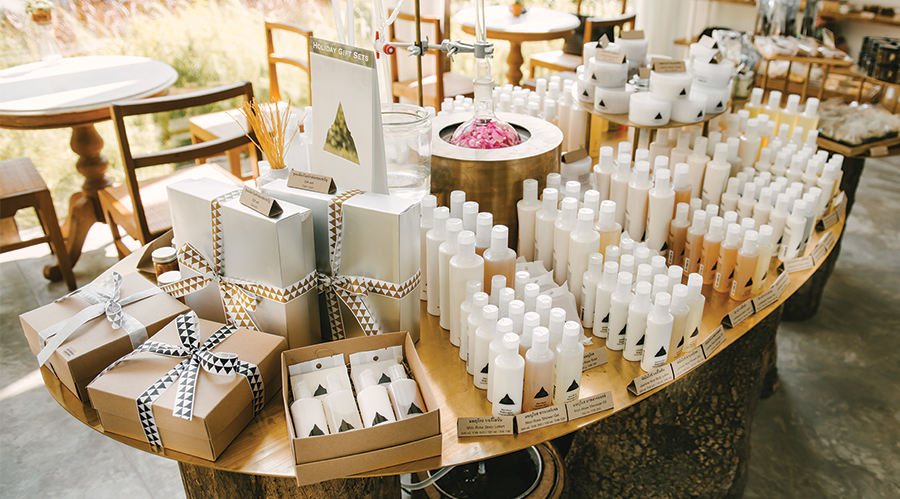
Instead of trying to be everything to everyone, forward-thinking pharmacies like yours are embracing highly curated retail assortments featuring local goods, wellness-focused solutions, seasonal capsule collections, and premium products that align with their healthcare identity. The goal isn’t simply to reduce inventory. It’s to create a more intentional shopping experience while improving profitability.
What does this do for your independent pharmacy facing margin pressures, labor challenges, and increased competition? This minimalist retail approach offers a compelling path forward.
Less Inventory and More Purpose
For decades, many pharmacy front ends operated on a larger-is-better model. Retail space was filled with thousands of SKUs, often mirroring assortments found in chain drugstores, big-box retailers, and grocery stores.
The problem is that carrying more products doesn’t necessarily translate into higher sales.
Slow-moving inventory consumes valuable shelf space, ties up cash, and creates visual clutter that can overwhelm shoppers. Customers often bypass these sections entirely, focusing only on prescription pick-up before leaving the store.
Minimalist retailing takes the opposite approach. Instead of maximizing product count, pharmacies focus on maximizing product relevance. Every item earns its place on the shelf.
Products are selected based on customer demand, health and wellness alignment, local appeal, margin potential, and storytelling opportunities. The result is a shopping environment that feels more boutique than convenient.
When customers see fewer products, they often perceive those products as being more carefully selected. Therefore, the pharmacy becomes a trusted curator rather than just another retailer.
At the heart of this trend is the concept of micro-retail. In other words, small, focused merchandise collections designed around specific customer needs and interests. These carefully edited assortments typically occupy less space than traditional retail displays while generating stronger customer engagement.
Rather than spreading inventory across dozens of categories, pharmacies concentrate on a handful of areas where they can provide meaningful expertise and recommendations. This strategy aligns particularly well with the growing consumer preference for specialty products and personalized shopping experiences.
Local Goods Create Local Loyalty
Among the most successful front-end categories is locally sourced merchandise. Customers increasingly want to support small businesses within their communities, and your pharmacy is positioned to connect local makers with local shoppers.
Products such as locally produced honey, handcrafted candles, small-batch soaps, gourmet foods, greeting cards, and artisan gifts can help differentiate a pharmacy from national competitors.
Beyond generating sales, these products create conversation. A customer may enter for a prescription refill and discover a locally made lavender lotion or a regional honey product. Discoveries like these help transform the pharmacy from a transactional destination into a community marketplace.
But that’s not all. Local merchandise also tells a story. Shelf signage that features makers’ biographies, production details, or community partnerships gives customers a reason to browse and engage. These personal connections are difficult for large retailers to replicate. For rural and small-town pharmacies, local goods can become a powerful extension of their community-centered identity.
Wellness Kits Offer Solutions, Not Products
Another emerging front-end strategy involves packaging complementary items into wellness kits.
Instead of displaying individual products separately, pharmacies present complete solutions for common health needs.
These bundles create several advantages. First, they simplify purchasing decisions for consumers. Second, they increase average transaction values by encouraging multi-item purchases. Third, they reinforce the pharmacy’s role as a health and wellness advisor.
Most importantly, wellness kits shift the retail conversation from products to outcomes. Customers aren’t buying individual items; they’re buying solutions.
Seasonal Capsule Collections Keep Retail Fresh
Borrowing a concept from the fashion industry, pharmacies are increasingly using seasonal capsule collections to drive front-end excitement.
A capsule collection is a limited assortment of products curated around a specific theme, season, or occasion.
Examples include:
- Spring Refresh. Allergy relief products, hydration solutions, gardening hand-care items, and seasonal wellness gifts.
- Summer Essentials. Sun protection products, travel kits, outdoor first-aid supplies, electrolyte solutions, and insect-repellent offerings.
- Back-to-School Wellness. Immune-support products, healthy snacks, organizational tools, and family wellness essentials.
- Holiday Self-Care. Stress-management products, giftable wellness items, premium skincare, and relaxation-focused merchandise.
The limited-time nature of these collections creates urgency and encourages repeat visits. Customers begin expecting new discoveries throughout the year, much like they would at specialty retailers.
For pharmacies, capsule collections offer flexibility. Merchandise can be refreshed regularly without requiring major inventory investments.
Design Matters More Than Ever
Minimalist retailing isn’t only about reducing product counts. It also involves rethinking presentation.
Successful minimalist front ends typically feature:
- Open sightlines
- Cleaner shelving
- Consistent product groupings
- Simple signage
- Natural materials and lighting
- Dedicated feature displays
- Clear category organization
The psychological impact can be significant. Shoppers often spend more time browsing spaces that feel organized and calming. Clean displays also make products appear more premium and intentional.
In many pharmacies, one beautifully merchandised four-foot display can outperform multiple crowded aisles of miscellaneous inventory.
The objective is not to fill every inch of shelf space. The objective is to create a shopping environment where customers can quickly understand what the pharmacy stands for.
Higher Margins, Simpler Operations
While aesthetics matter, financial performance remains the primary driver of this shift. Many retail categories offer stronger margins than traditional front-end products. Local goods, boutique wellness products, gift items, and specialty health products frequently command premium pricing while avoiding direct price comparisons with national chains.
Front-end minimalism can also improve operational efficiency.
Fewer SKUs often mean:
- Reduced inventory carrying costs
- Lower shrinkage
- Faster merchandising
- Simpler purchasing decisions
- Easier staff training
- Improved inventory turns
Staff members can become more knowledgeable about a smaller assortment, leading to stronger customer recommendations and increased sales confidence. The approach supports a quality-over-quantity philosophy that benefits both customers and pharmacy teams.
The Pharmacist as Curator
Perhaps the most important aspect of front-end minimalism is the evolving role of your independent pharmacy. Consumers today are overwhelmed by choice. Online marketplaces and large retailers present nearly endless product options. But your independent pharmacy has an opportunity to offer something different: trusted curation.
When a pharmacist selects products based on efficacy, quality, community relevance, and customer needs, that expertise becomes a competitive advantage.
Micro-Retail Examples
- Local artisan foods and beverages
- Handmade soaps and skincare products
- Wellness and self-care collections
- Compression apparel
- Natural sleep-support products
- Healthy snack assortments
- Baby and new-parent essentials
- Active-aging solutions
- Seasonal gift offerings
Beyond generating sales, these products create conversation. A customer may enter for a prescription refill and discover a locally made lavender lotion or a regional honey product. Discoveries like these help transform the pharmacy from a transactional destination into a community marketplace.
But that’s not all. Local merchandise also tells a story. Shelf signage that features makers’ biographies, production details, or community partnerships gives customers a reason to browse and engage. These personal connections are difficult for large retailers to replicate. For rural and small-town pharmacies, local goods can become a powerful extension of their community-centered identity.
Wellness Kits Offer Solutions, Not Products
Another emerging front-end strategy involves packaging complementary items into wellness kits.
Instead of displaying individual products separately, pharmacies present complete solutions for common health needs.
These bundles create several advantages. First, they simplify purchasing decisions for consumers. Second, they increase average transaction values by encouraging multi-item purchases. Third, they reinforce the pharmacy’s role as a health and wellness advisor.
Most importantly, wellness kits shift the retail conversation from products to outcomes. Customers aren’t buying individual items; they’re buying solutions.
Seasonal Capsule Collections Keep Retail Fresh
Borrowing a concept from the fashion industry, pharmacies are increasingly using seasonal capsule collections to drive front-end excitement.
A capsule collection is a limited assortment of products curated around a specific theme, season, or occasion.
Examples include:
- Spring Refresh. Allergy relief products, hydration solutions, gardening hand-care items, and seasonal wellness gifts.
- Summer Essentials. Sun protection products, travel kits, outdoor first-aid supplies, electrolyte solutions, and insect-repellent offerings.
- Back-to-School Wellness. Immune-support products, healthy snacks, organizational tools, and family wellness essentials.
- Holiday Self-Care. Stress-management products, giftable wellness items, premium skincare, and relaxation-focused merchandise.
The limited-time nature of these collections creates urgency and encourages repeat visits. Customers begin expecting new discoveries throughout the year, much like they would at specialty retailers.
For pharmacies, capsule collections offer flexibility. Merchandise can be refreshed regularly without requiring major inventory investments.
Design Matters More Than Ever
Minimalist retailing isn’t only about reducing product counts. It also involves rethinking presentation.
Successful minimalist front ends typically feature:
- Open sightlines
- Cleaner shelving
- Consistent product groupings
- Simple signage
- Natural materials and lighting
- Dedicated feature displays
- Clear category organization
The psychological impact can be significant. Shoppers often spend more time browsing spaces that feel organized and calming. Clean displays also make products appear more premium and intentional.
In many pharmacies, one beautifully merchandised four-foot display can outperform multiple crowded aisles of miscellaneous inventory.
The objective is not to fill every inch of shelf space. The objective is to create a shopping environment where customers can quickly understand what the pharmacy stands for.
Higher Margins, Simpler Operations
While aesthetics matter, financial performance remains the primary driver of this shift. Many retail categories offer stronger margins than traditional front-end products.
Local goods, boutique wellness products, gift items, and specialty health products frequently command premium pricing while avoiding direct price comparisons with national chains.
Front-end minimalism can also improve operational efficiency.
Fewer SKUs often mean:
- Reduced inventory carrying costs
- Lower shrinkage
- Faster merchandising
- Simpler purchasing decisions
- Easier staff training
- Improved inventory turns
Staff members can become more knowledgeable about a smaller assortment, leading to stronger customer recommendations and increased sales confidence. The approach supports a quality-over-quantity philosophy that benefits both customers and pharmacy teams.
The Pharmacist as Curator
Perhaps the most important aspect of front-end minimalism is the evolving role of your independent pharmacy. Consumers today are overwhelmed by choice. Online marketplaces and large retailers present nearly endless product options. But your independent pharmacy has an opportunity to offer something different: trusted curation.
When a pharmacist selects products based on efficacy, quality, community relevance, and customer needs, that expertise becomes a competitive advantage.
Micro-Retail Examples
- Local artisan foods and beverages
- Handmade soaps and skincare products
- Wellness and self-care collections
- Compression apparel
- Natural sleep-support products
- Healthy snack assortments
- Baby and new-parent essentials
- Active-aging solutions
- Seasonal gift offerings
Wellness Kit Examples
- Cold and Flu Recovery Kit. Tissues, throat lozenges, tea, electrolyte products, and hand sanitizer
- Sleep Support Kit. Magnesium supplement, herbal tea, sleep mask, and aromatherapy product
- Travel Wellness Kit. Motion-sickness remedies, hand sanitizer, hydration packets, and immune-support supplements
- Self-Care Reset Kit. Bath products, relaxation aids, healthy snacks, and wellness journal
More articles from the September 2026 issue:
- Reinventing the Pharmacy Technician
- Creating a Comprehensive & Profitable Non-Flu Vaccine Program
- Quality Choice Private Label
- In-Pharmacy Testing
- Market Segmentation
- GLP-1 Reimbursement
- Cody Drug
- Your New Front-End Minimalism
A Member-Owned Company Serving Independent Pharmacies
PBA Health is dedicated to helping independent pharmacies reach their full potential on the buy-side of their business. Founded and run by pharmacists, PBA Health serves independent pharmacies with group purchasing services, wholesaler contract negotiations, proprietary purchasing tools, and more.
An HDA member, PBA Health operates its own NABP-accredited warehouse with more than 6,000 SKUs, including brands, generics, narcotics CII-CV, cold-storage products, and over-the-counter (OTC) products — offering the lowest prices in the secondary market.