If you haven’t heard, toothpaste tablets have quickly made a place for themselves in the mainstream oral‑care aisles. They’ve been driven by growing interest in sustainability and convenience. As consumers look for alternatives to traditional toothpaste tubes—which contribute over a billion pieces of plastic waste each year—these small, chewable tablets promise a cleaner mouth with a lighter environmental footprint. But how do they actually work, and are they as effective as the paste most of us grew up with?
How they work
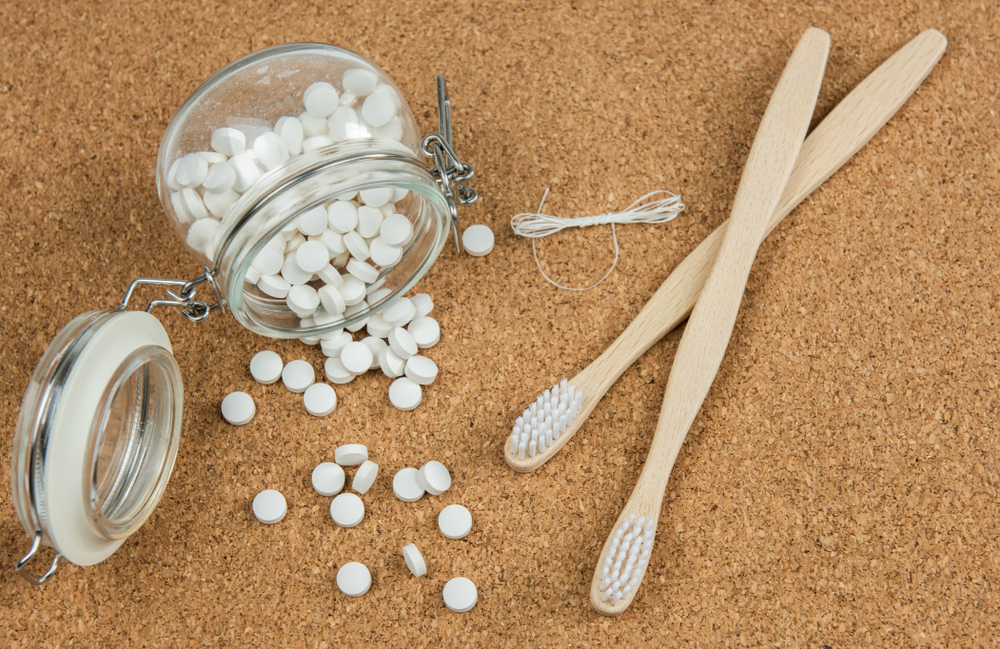
Toothpaste tablets are essentially dehydrated toothpaste ingredients compressed into a solid pellet. Instead of squeezing paste onto a brush, you simply pop a tablet into your mouth and chew. The tablet breaks down into a fine powder that mixes with saliva to form a paste-like consistency. From there, you brush your teeth as usual.
The cleaning process is nearly identical to traditional toothpaste once the tablet dissolves. The key difference is the absence of water. Traditional toothpaste can be up to 40% water. This makes tablets more stable and easier to transport.
Some tablets contain fluoride, while others use alternative re-mineralizing agents such as hydroxyapatite. Evidence for hydroxyapatite’s effectiveness in preventing cavities is mixed, and pharmacists are encouraged to help consumers interpret ingredient lists and choose products with proven anticaries benefits.
Why They’re Gaining Popularity
Several factors are fueling the rise of toothpaste tablets:
Sustainability
Traditional toothpaste tubes are difficult to recycle because of their mixed materials. Tablets, by contrast, are typically packaged in glass jars, metal tins, or compostable pouches. This aligns with the growing zero‑waste movement and consumer demand for eco‑friendly products.
Convenience
Tablets are lightweight, mess‑free, and TSA‑friendly, making them ideal for travel. They also come pre‑portioned, eliminating the guesswork of how much toothpaste to use.
Ingredient Transparency
Many tablet brands market themselves as “cleaner” alternatives, avoiding artificial dyes, preservatives, and unnecessary fillers. This appeals to consumers seeking simpler formulations.
Growing Market Momentum
The global toothpaste market is projected to surpass $30 billion by 2030, with tablets becoming a fast‑growing segment as brands innovate in waterless personal‑care formats.
So, Are Toothpaste Tablets Effective?
Effectiveness depends largely on the formulation rather than the format. Experts note that tablets can clean teeth just as well as traditional toothpaste when they contain the right active ingredients.
What to look for:
- Fluoride content: Still the gold standard for cavity prevention.
- Hydroxyapatite: A promising alternative, though research is still developing.
- Abrasiveness: Some tablets may be more abrasive due to their powdered texture.
- Taste and texture: These vary widely and can affect user experience.
Pharmacists and dental professionals emphasize that consumers should choose tablets with clinically supported ingredients and avoid assuming all “natural” options are equally protective.
Potential Repercussions and Considerations
While toothpaste tablets offer many benefits, they also come with some warnings:
Variable Efficacy
Not all tablets contain fluoride, and some rely on less‑studied alternatives. This may reduce cavity protection for some users.
Abrasiveness Concerns
Because tablets are chewed, some formulations may feel gritty or be more abrasive on enamel if not properly formulated.
Higher Cost
Tablets often cost more per use than traditional toothpaste, which may deter some consumers.
Limited Availability
Although growing, the selection of tablet brands and flavors is still smaller than traditional toothpaste options.
The Bottom Line
Toothpaste tablets are a promising, eco‑friendly alternative that fits well with modern sustainability goals. They’re convenient, travel‑friendly, and effective—when formulated with proven active ingredients. However, consumers should pay close attention to fluoride content, abrasiveness, and brand quality. As research continues and formulations improve, toothpaste tablets may well become a mainstream staple in oral care.
A Member-Owned Company Serving Independent Pharmacies
PBA Health is dedicated to helping independent pharmacies reach their full potential on the buy-side of their business. Founded and run by pharmacists, PBA Health serves independent pharmacies with group purchasing services, wholesaler contract negotiations, proprietary purchasing tools, and more.
An HDA member, PBA Health operates its own NABP-accredited warehouse with more than 6,000 SKUs, including brands, generics, narcotics CII-CV, cold-storage products, and over-the-counter (OTC) products — offering the lowest prices in the secondary market.